


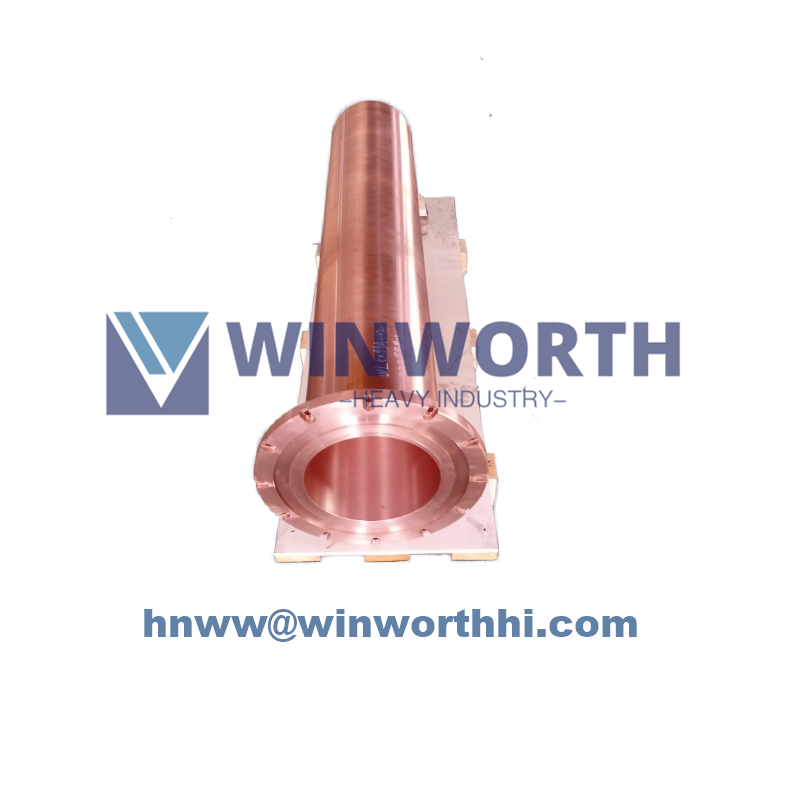
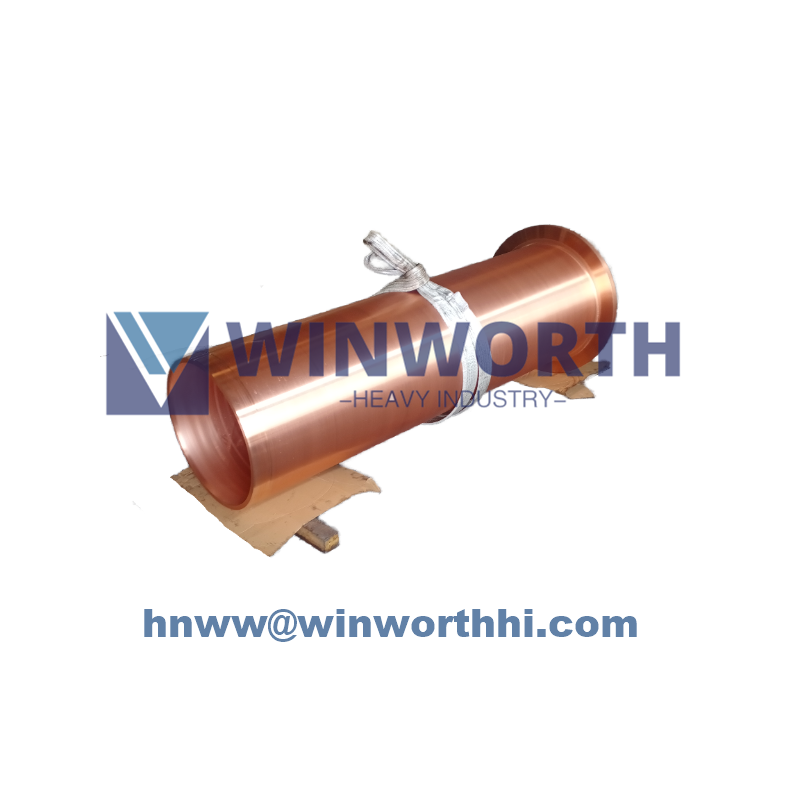
Core purpose
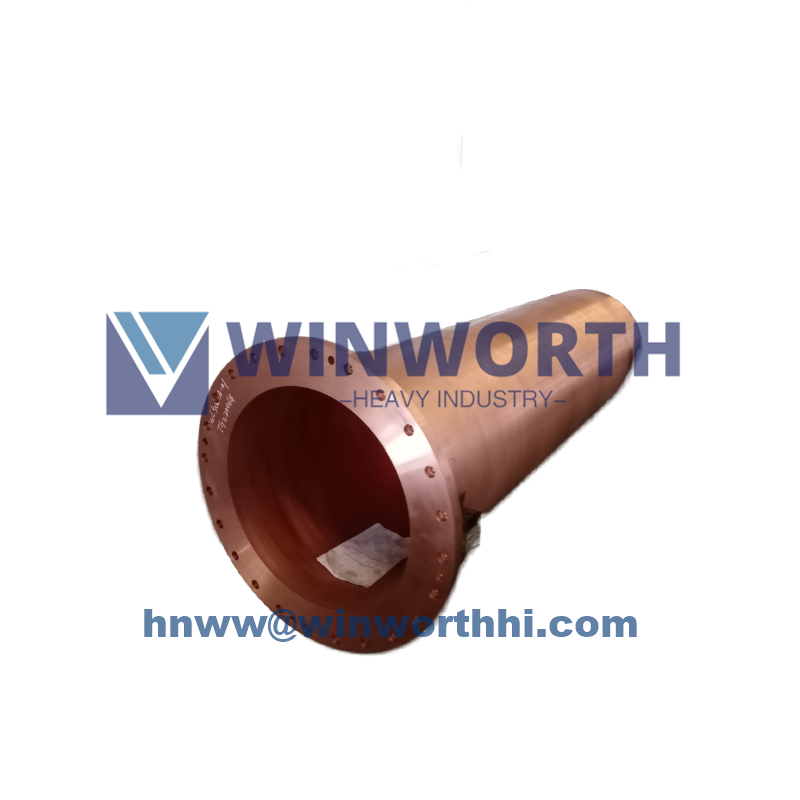
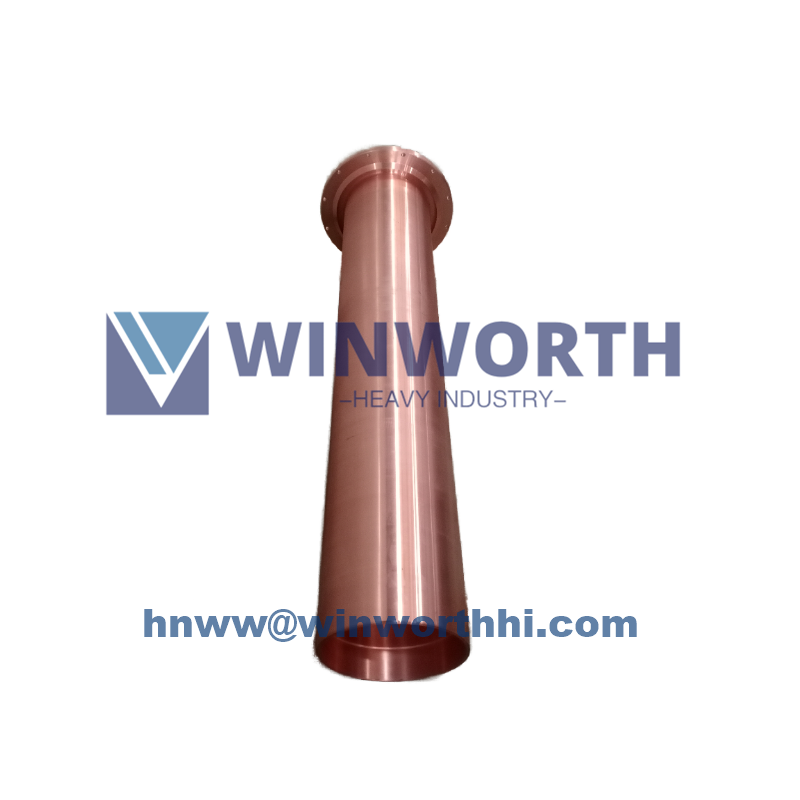
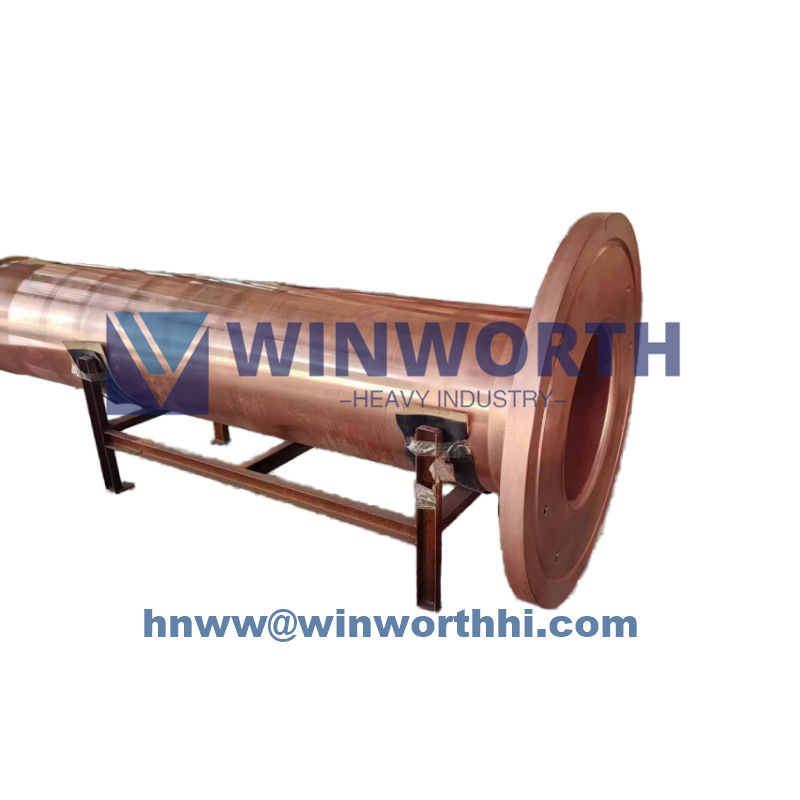
Metal remelting refining: It is used for the smelting of refractory metals such as titanium, zirconium, and molybdenum, as well as special steels in vacuum consumable arc furnaces. Through arc heating, the consumable electrode melts and solidifies layer by layer in a water-cooled mold, eliminating impurities and gases and improving the metallurgical quality of ingots.
Applicable equipment: Widely used in vacuum consumable furnaces and shell furnaces (for casting special-shaped castings), it supports the specification requirements of ingot diameters ranging from φ100mm to φ1500mm and lengths from 1000mm to 5000mm.
2. Production process
(1) Plate rolling welding process
Process: T2 or TP2 copper plates are rolled into a cylindrical shape and welded longitudinally (with only one weld seam). The weld seam needs to undergo X-ray flaw detection (conforming to NB/T47013.2-2015 Grade II standard) and hydrostatic test (holding at 1.5MPa for 30 minutes without leakage).
Features: Low cost, short cycle, suitable for conventional specification molds, but the performance of the weld area is slightly lower than that of the base material.
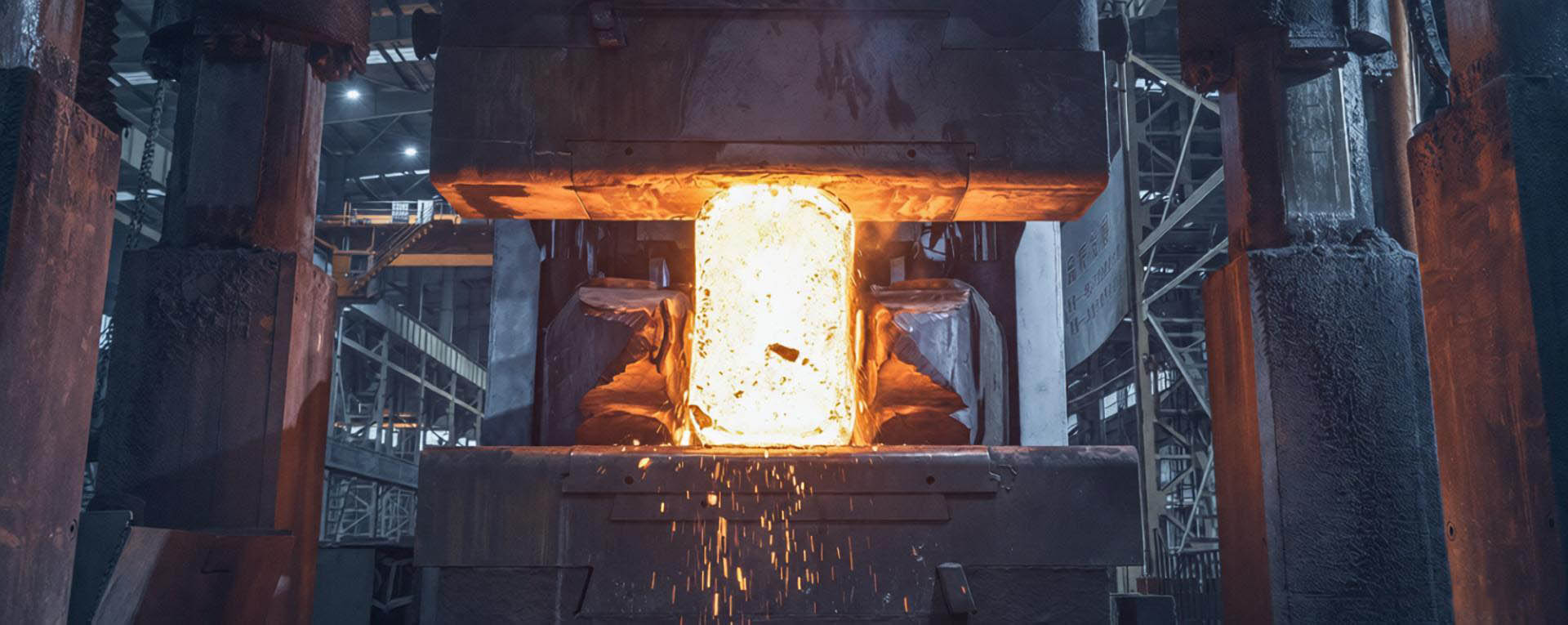
(2) Overall forging process
Process: Copper ingots or large-diameter copper rods are used to forge blanks, which are then spun into shape (the core mold is heated to within 500°C), achieving an integrated structure without welds between the cylinder and the flange, with dense and uniform internal grains.
Features: Eliminates weld seam hazards, has strong resistance to thermal fatigue, significantly extends service life, and is particularly suitable for high-strength materials such as CuCrZr and ultra-long specifications (2-6 meters) of crystallizers.
Customized production and drawing services
Size customization: According to the requirements of the furnace type, parameters such as the inner diameter, length, and flange interface of the mold can be customized. Non-standard designs are supported (such as conical structure, multiple water-cooling channels).
Process adaptation: Provide material selection suggestions (such as CuCrZr for high-temperature conditions), and recommend welding or integral forging solutions based on the smelting process.
Drawing collaboration: Support customers in providing sketches or technical parameters, and engineers will optimize the structural design (such as water path layout, wall thickness gradient), and issue production drawings that comply with standards such as GB/T5231 and YB/T4119.
Usage effect
T2/TP2 crystallizer: It meets the requirements of conventional smelting and is cost-effective. However, it is prone to deformation during long-term high-temperature operation and needs to be replaced regularly.
CuCrZr integral forged mold
Stable thermal conductivity, avoiding local overheating and breakdown.
The weld-free structure eliminates the risk of crack leakage, and its average service life is 2 to 3 times that of the T2 mold.
Significantly reduce the power consumption for smelting (500-1100 kW·h/t) and increase the yield of finished ingots.